
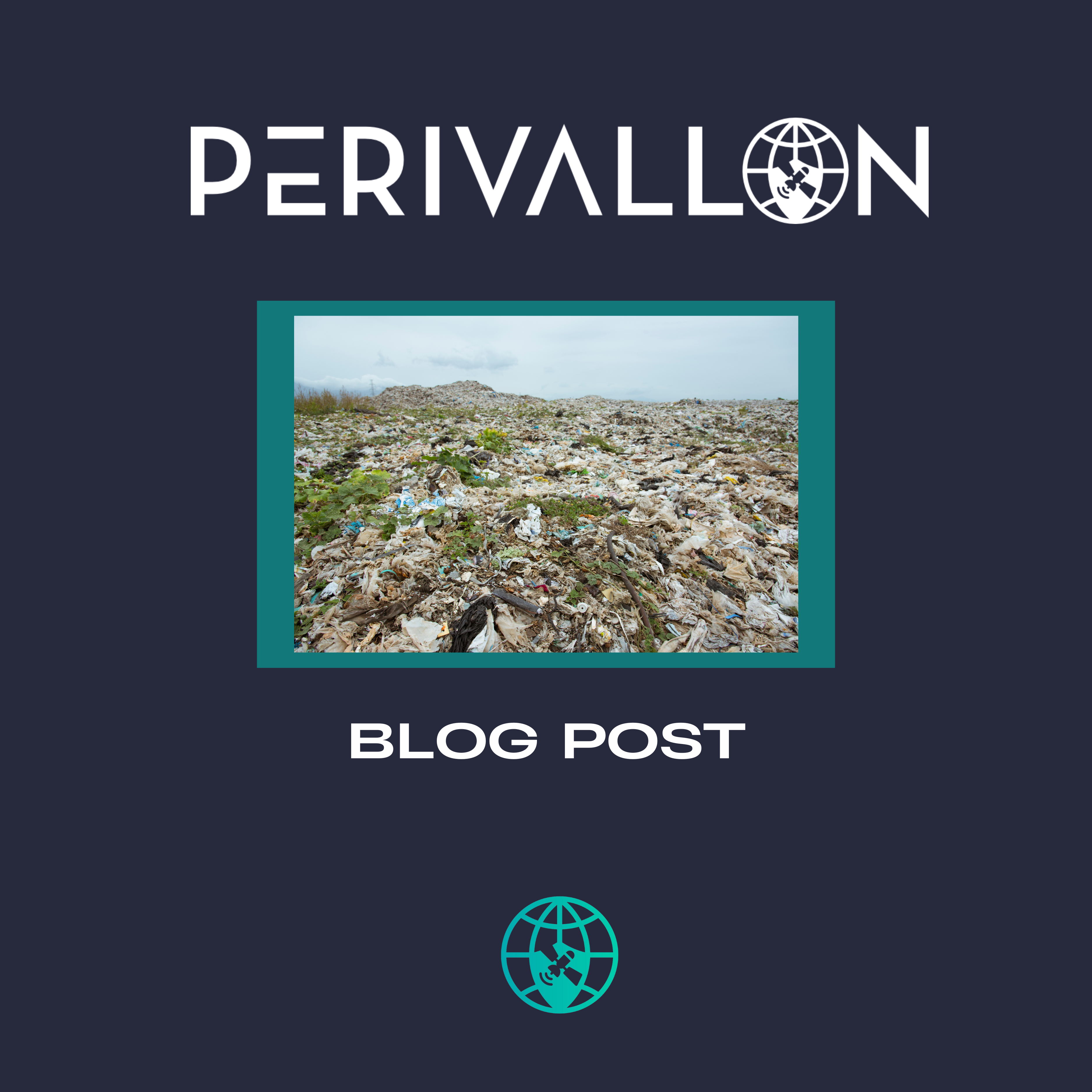
Waste crime remains a major environmental challenge across Europe, but recent findings highlight the alarming extent of the problem in the United Kingdom. A new national review conducted by the Environment and Climate Change Committee (ECCC) of the UK government sheds light on the scale of serious and organised waste crime in England. The following article outlines the committee’s main findings and the urgent call for stronger enforcement and cooperation.
As part of a national review in England during September and October 2025, the Environment and Climate Change Committee (ECCC) of the UK government has been taking evidence regarding waste crime in England, with a focus on serious and organised waste crime.1 The review has discovered that over 38 million tonnes of waste is believed to be illegally managed at some point in the waste management chain each year across the country.
The ECCC report reveals that criminality is endemic in the waste sector in England, but that waste crime is substantially underreported, and its true scale remains unknown. The ECCC suggest that it is widely acknowledged that there is little chance of criminals being brought to justice for committing waste offences – the record of successful prosecutions and other penalties being described as ‘woeful’ by the committee, with organised crime groups, including those involved in drugs, firearms, money laundering and modern slavery, being well-established in the waste crime sector.
Fundamental failings
The ECCC report also suggests that organised crime gangs are attracted to the low-risk opportunity to make large sums of money and commit crimes from coordinated fly-tipping to illegal exports and landfill tax fraud. The findings of the report are also critical of law enforcement efforts to prevent offences and bring perpetrators to justice. The ECCC were unimpressed with the lack of interest shown by the police in fulfilling their role by bringing to bear their expertise in tackling serious and organised waste crime, which is a subset of, and gateway to, other forms of serious and organised crime including drugs and money laundering.
The Environment Agency’s Joint Unit for Waste Crime (JUWC), a multi-agency taskforce established by the UK government five years ago to lead efforts to tackle serious and organised waste crime, appears to the ECCC, to be wholly ineffective, finding that it does not know how many convictions its work has led to, and inter-agency intelligence sharing and collaboration remain inconsistent.
Moreover, the ECCC found that reports of serious criminality are passed between agencies without any of them taking ownership and gaps remain around the engagement of local authorities, which deal with most of the fly-tipping and will often be the first port of call for members of the public. According to the ECCC report, whether waste crime is taken seriously by police forces and whether effective local partnerships are formed appear to be dependent on the efforts of local police and crime commissioners. Further criticism of the UK’s Environment Agency has also been published in the ECCC’s findings, revealing that they were slow to respond to even the most flagrant and serious illegality, while the environment and communities suffer.
The ECCC scathing review concludes that the failure to tackle waste crime is leading to serious environmental, economic and social consequences, reporting that waste crime is estimated to cost England’s economy over £1 billion every year, pollutes the nations environment with harmful matter, blights communities, burdens local authorities and landowners with clean-up costs, and is undermining the Government’s economic and environmental agendas.
Call for change
The overarching recommendation from the ECCC review is that the response to waste crime, from prevention and reporting to prosecution, must be subject to a root and branch review conducted independently. The ECCC also insist that this review must consider the extent and effectiveness of integrated working among all stakeholders across government agencies, the National Crime Agency, and police and local authorities.
The findings of the UK’s ECCC review reinforce the challenges and priorities at the forefront of PERIVALLON which, through a multi-disciplinary and collaborative approach, has provided an improved and comprehensive intelligence picture of organised environmental crime, and developed effective and efficient tools and solutions for detecting and preventing such types of criminal activities, as well as assessing their environmental impact.
Given the urgency of the recommendations made by the UK’s ECCC to improve the prevention and detection of serious and organised waste crime, all in authority would be wise to note and explore further, how the tools and technologies developed in PERIVALLON with police investigators, can help to develop the response to tackle such matters in England.
Written by Andrew Staniforth, SAHER
[1] House of Lords, Review of Serious and Organised Waste Crime, Environment and Climate Change Committee, UK Government (28 October 2025) Available online at: https://committees.parliament.uk/publications/49941/documents/268956/default/ Accessed 29 October 2025